007 First Light: The Queer Re-View
James Bond has always been a plaything. For over sixty years, we’ve watched him manipulated by directors, dressed by costume designers, and positioned for our visual pleasure on the silver screen. But the lack of 007 video games in recent times has kept us, the audience, in a more passive role. So what happens when we get James Bond literally in our hands?
If this is your first time reading a queer re-view on Licence to Queer, you may want to skim over this first.
TL;DR version: a queer re-view is not a traditional review where we pass judgement. Instead, it’s another look at something wearing queer lenses to examine the parts which might resonate with queer audiences. We tackle in turn: Bond himself, his allies, the villains, the girls and then anything which jumps out as being camp. Finally, there’s a queer verdict, which is my purely subjective assessment of how queer it is relative to other Bond adventures. Each adventure (film or video game) is graded 001 (least queer) to 007 (most queer).
CONTAINS SPOILERS
“The name’s Bond, Flaming Bond?”
In cinema, we look where the camera tells us to look. In a video game, the player possesses increased agency. We become the director of the gaze. We dictate the pace. We choose exactly where James Bond lingers. And in 007 First Light, if you choose to linger in the margins, you will find a remarkably queer text underneath the standard espionage bravado.
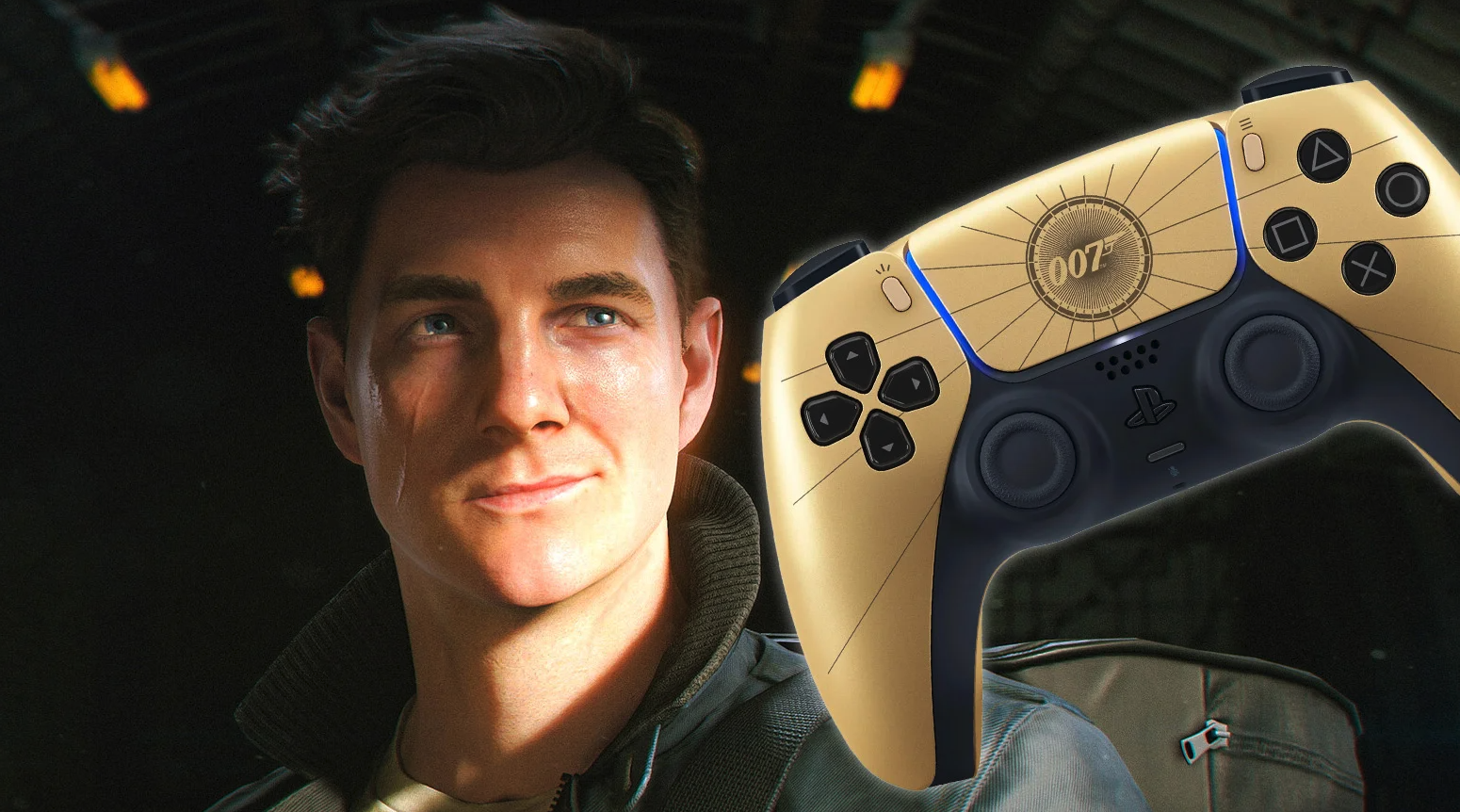
In 007 First Light, we are introduced to a unusually malleable version of James Bond. Enter Patrick Gibson, playing a 26-year-old James Bond who is yet to earn his 00 status. Gibson brings a bruised, untested energy to the role, but more importantly, he is the first ginger Bond.
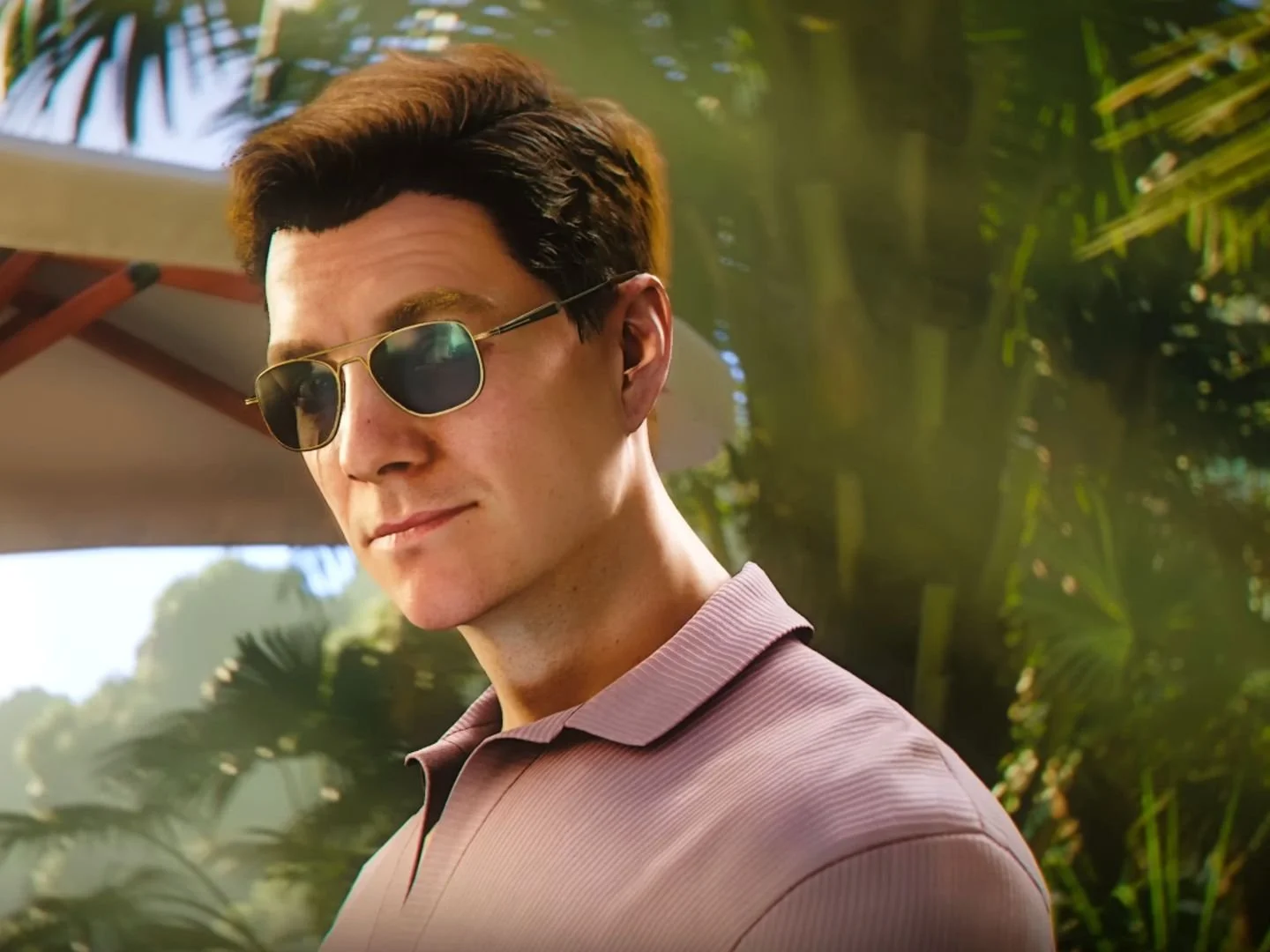
As a ginger myself, I must admit it is an relief to finally feel represented by a Bond actor. For decades, men of our hair colour have been relegated mostly to the roles of disposable henchmen or quirky Q-Branch technicians. Finally, a ginger gets to wear the tuxedo, shoot the bad guys, and be the object of desire.
I have written previously in relation to Daniel Craig about the disruption caused by a Blonde Bond'. Lighter hair—whether blonde, strawberry-blonde, or ginger—often serves to soften male action stars in Hollywood. It arguably makes Bond more feminine, and, depending on who’s looking, positioning him more readily as the object of the cinematic gaze, stripping away some of the traditional, dark-haired machismo. Gibson inherits the Craig legacy of the feminised, vulnerable, lighter-haired agent. It’s up to the player whether they find this attractive or not.
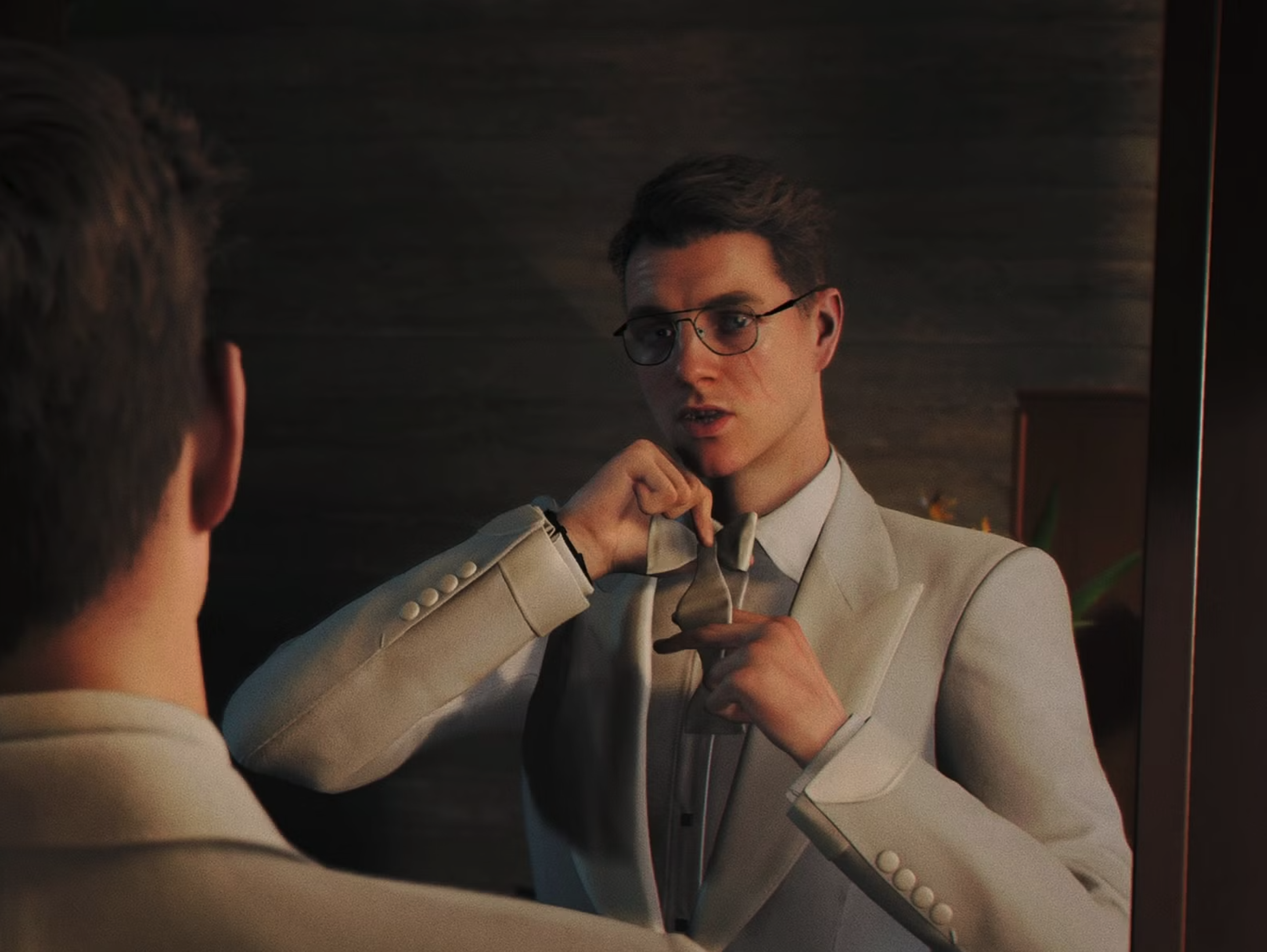
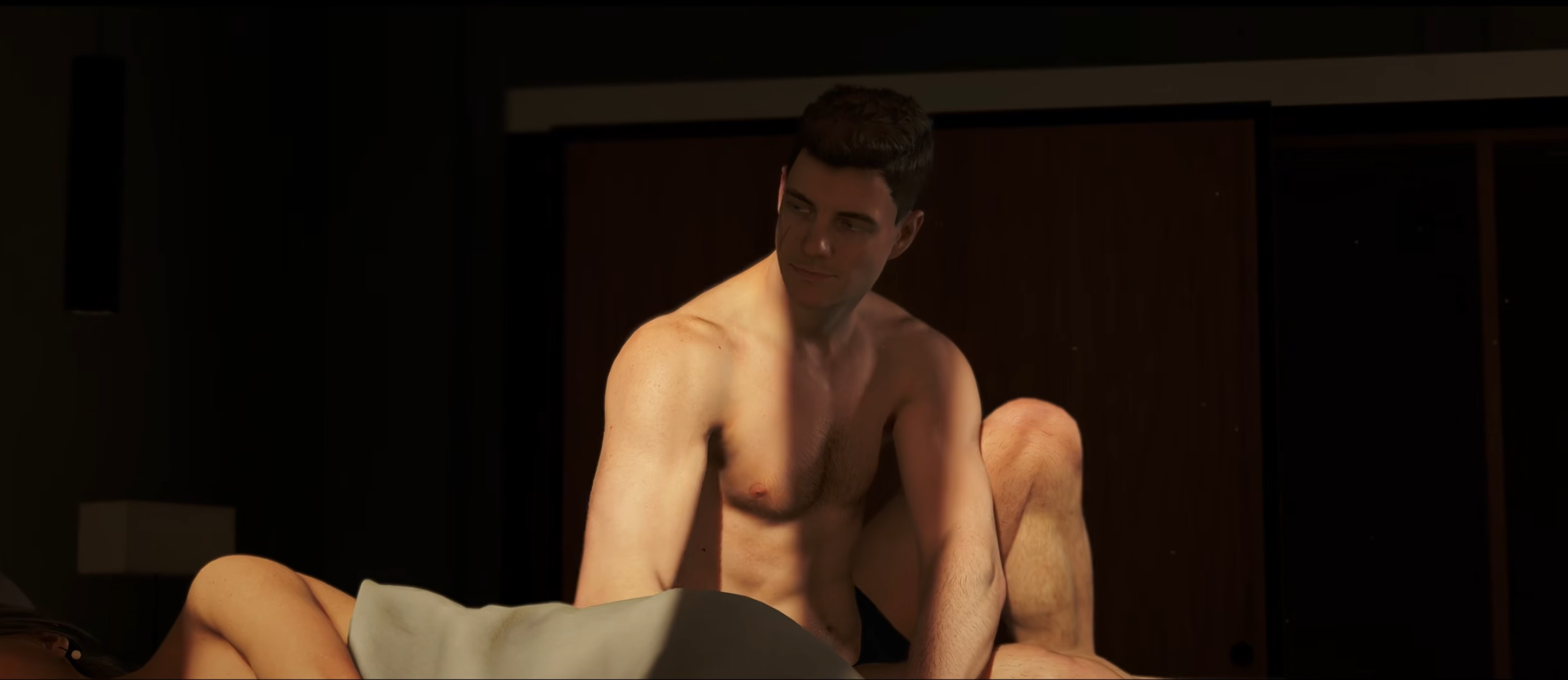
This focus on the visual spectacle of Bond was explicitly highlighted in the advance publicity for the game, which eagerly showed off the multitude of different outfits you can put him into. In the game's TACSIM mode, players can dress up James Bond however they like, treating the world's most famous secret agent almost like a digital Barbie doll. This sartorial agency allows for a playful, distinctly queer engagement with the male form, turning Bond into a bespoke mannequin for our amusement. However, there are limits to our voyeurism. Unlike other modern games where the player can choose to go as far as stripping a character completely naked. Cyberpunk 2077 (2020) even allows you to choose your avatar's penis shape, size, and whether or not they are circumcised. IO Interactive keeps Bond relatively modest. The closest we get here to controlling Bond’s level of nudity is dressing him in the breezy 'Resort Casual' outfit he wears during the Vietnam level, exposing just enough chest and leg to keep the audience wanting more.
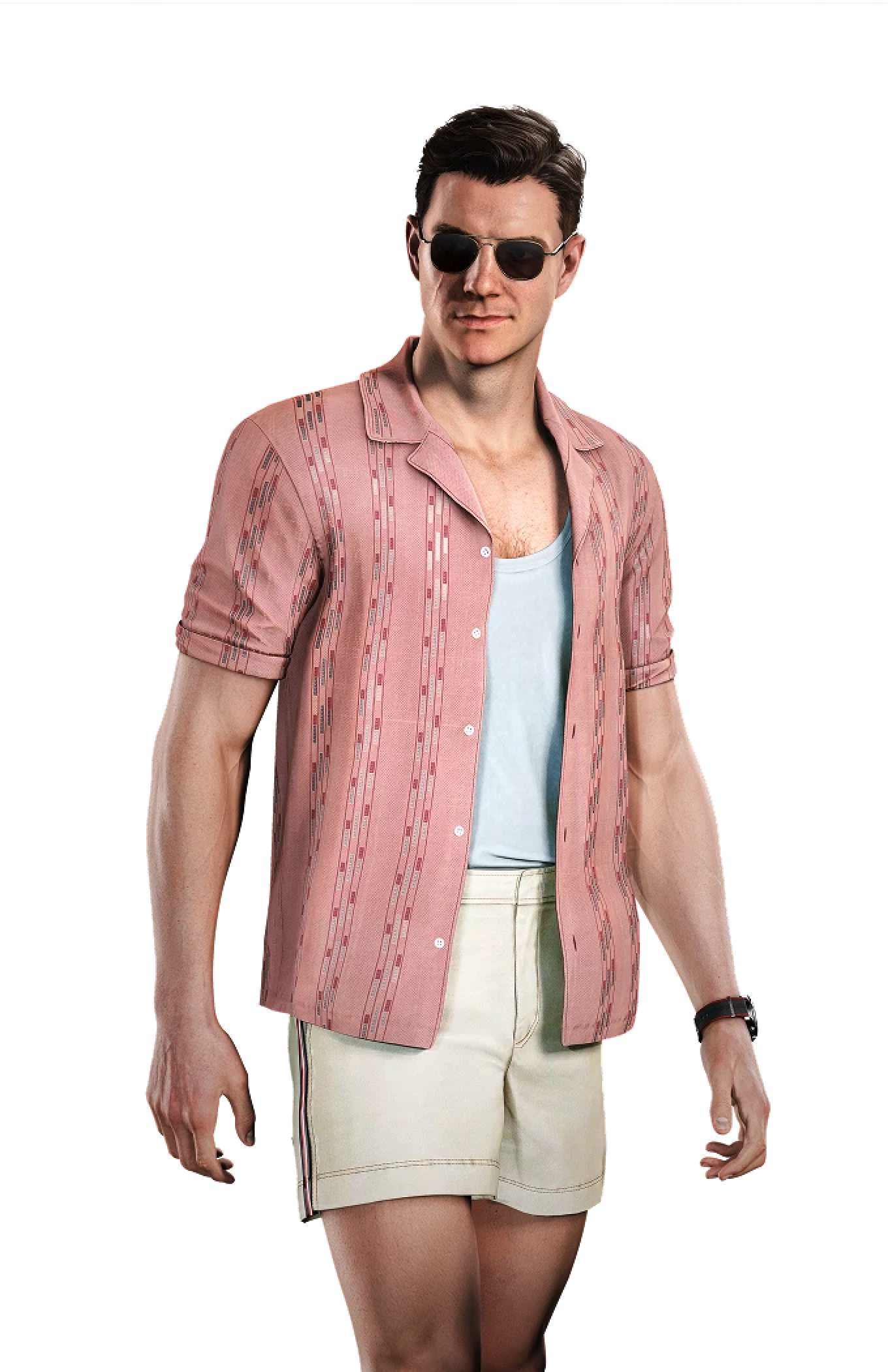
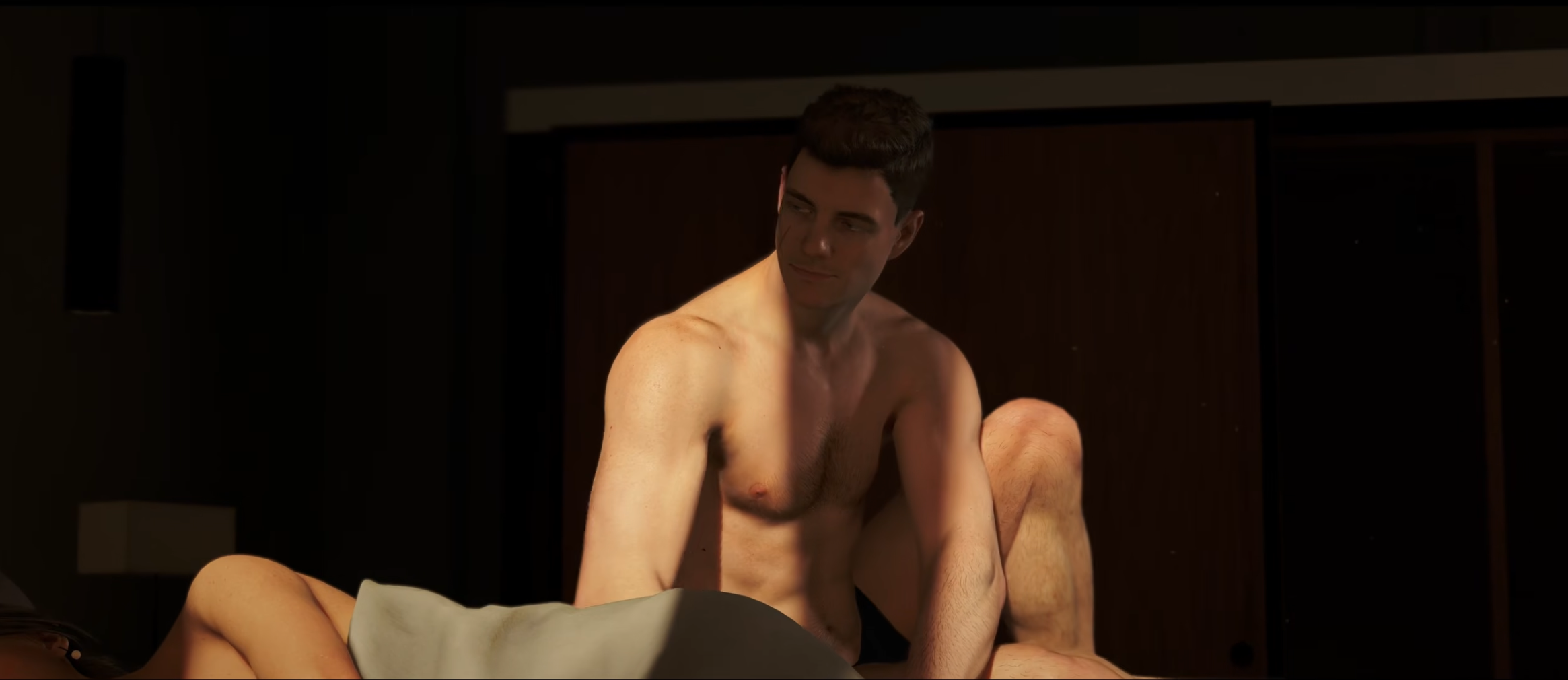
When we do briefly get to see Bond in his underwear, he’s clearly spent some time in the gym. In gay parlance, does this make this 007 First Light the first time Bond has been a ‘twunk’?
But the most significant shift here is the medium itself. As Janet Murray (1997) established in her foundational text Hamlet on the Holodeck, agency is "the satisfying power to take meaningful action and see the results of our decisions and choices". When exploring 007 First Light, it is instructive to contrast it with IO Interactive’s bestselling Hitman series. In Hitman, player agency is the entire point. The games are sprawling sandboxes of creative freedom where you can disguise Agent 47 as a flamingo if the mood takes you. 007 First Light, by contrast, keeps you on a more structured narrative track. The storyline guides where you go and who you target, offering a focused cinematic experience.
Yet, even within these linear constraints, the video game format inherently offers more agency than film. Bonnie Ruberg (2019) who argues that queer players often find their own agency by playing games against the grain of the developers' intentions.
Take, for example, the game's use of toilets. I have written extensively about James Bond's penchant for loitering in men's bathrooms, particularly in my queer re-views of GoldenEye and The Living Daylights. Bond frequently occupies liminal spaces: transitional borders where identities become dislocated and renegotiated. The public toilet is the ultimate homosocial, liminal space where heteronormative masculinity is defined and tested. But they also carry a distinctly queer frisson. Historically, for men seeking other men, the public toilet was one of the few spaces for clandestine sexual activity.
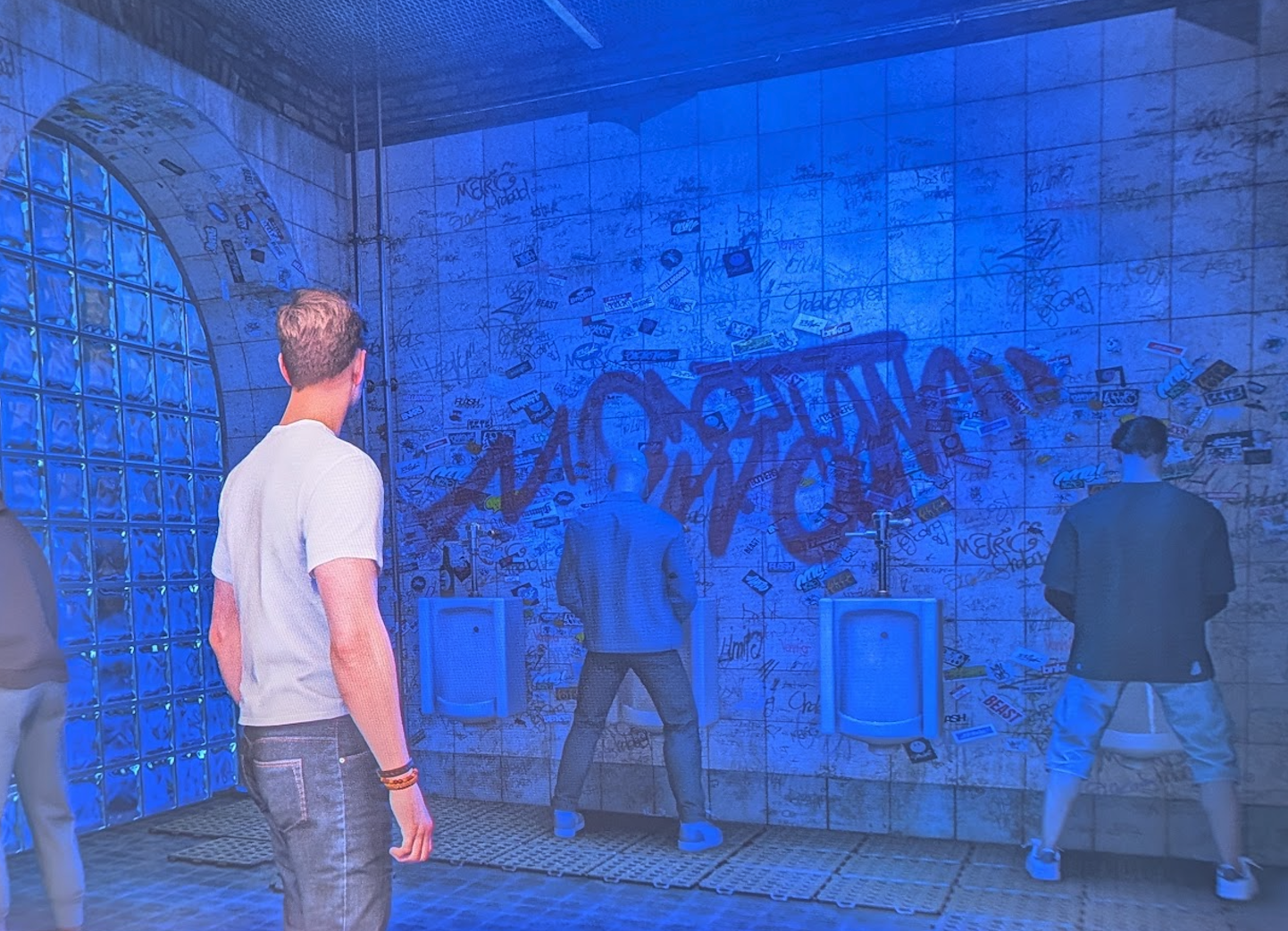
In a game with stealth sections like 007 First Light, bathrooms are inherently private spaces where characters carry out clandestine activity, mirroring the 'anything could happen' energy of Pierce Brosnan's debut in the GoldenEye loo, and Daniel Craig’s first kill in Casino Royale. During the sequence set in a London night club, the game directs you to push through the crowd to locate a rogue agent. However, the game takes a detour into the men's toilets. Once there, you can choose to linger. You can manipulate the camera to check out the male NPCs using the urinals. It is an action completely superfluous to the primary objective, yet it perfectly emulates real-life cruising behaviour. By choosing to step aside from the main objective and instead weaponising the camera to gaze at other men, the player transforms an on-rails set piece into a distinctly queer space.
Friends of 00-Dorothy: 007’s allies
Developer IO Interactive made a point of emphasising its corporate ethos during production, noting a commitment to fostering an inclusive environment. Their art director, Rasmus Poulsen, specifically noted that they sought to avoid portraying the outdated, sexist attitudes seen in some previous cinematic iterations of the character.
This inclusive ethos is most apparent in the allies surrounding Bond. MI6 is thoroughly modernised, featuring Priyanga Burford as a commanding M and Kiera Lester as Miss Moneypenny. But the most fascinating dynamic is the intense homosocial bonding within the 00-programme itself. We see Bond forming a close-knit, makeshift family with his training colleagues, notably Cressida Bright and former SAS trooper Lennox Monroe.
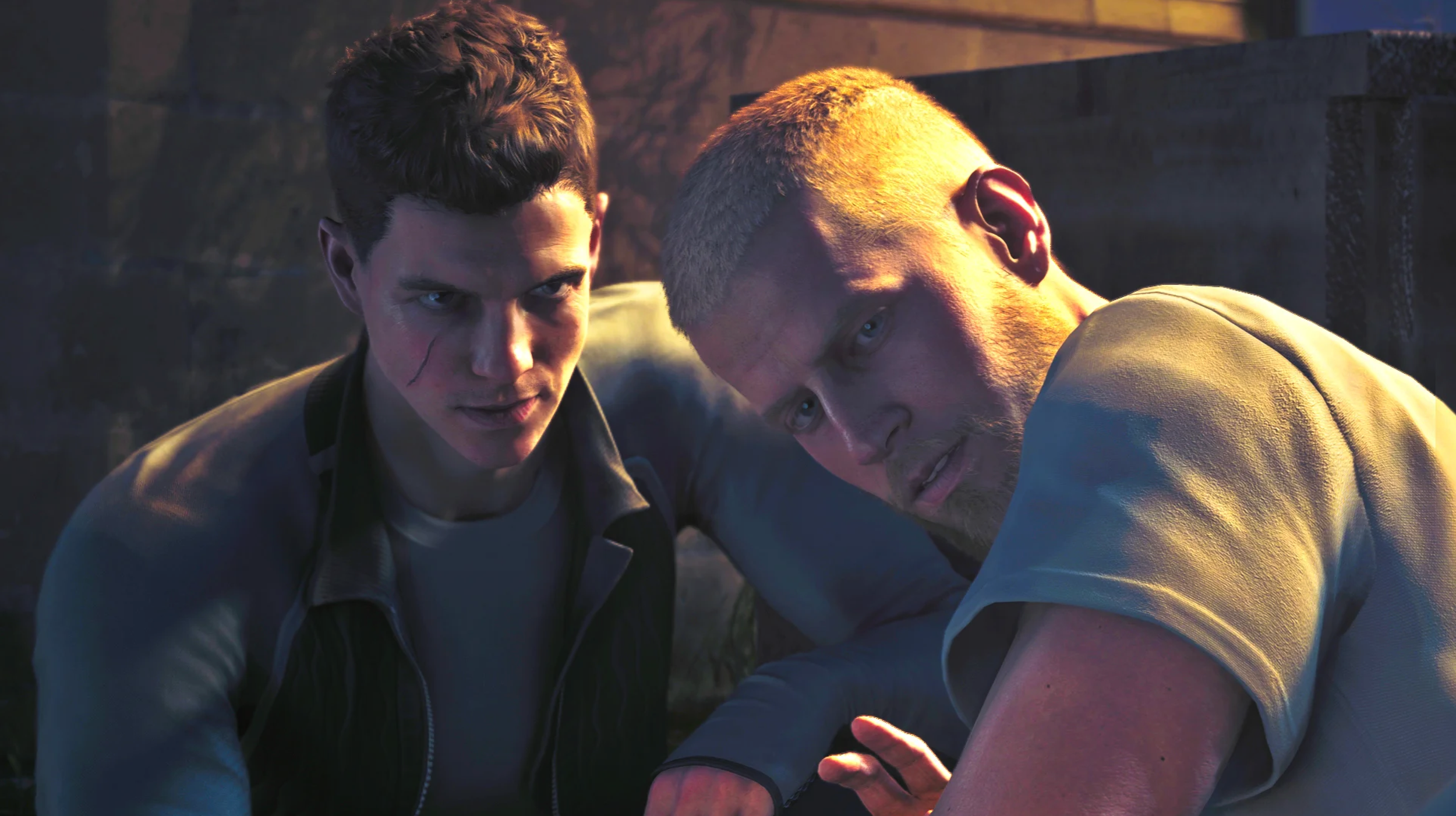
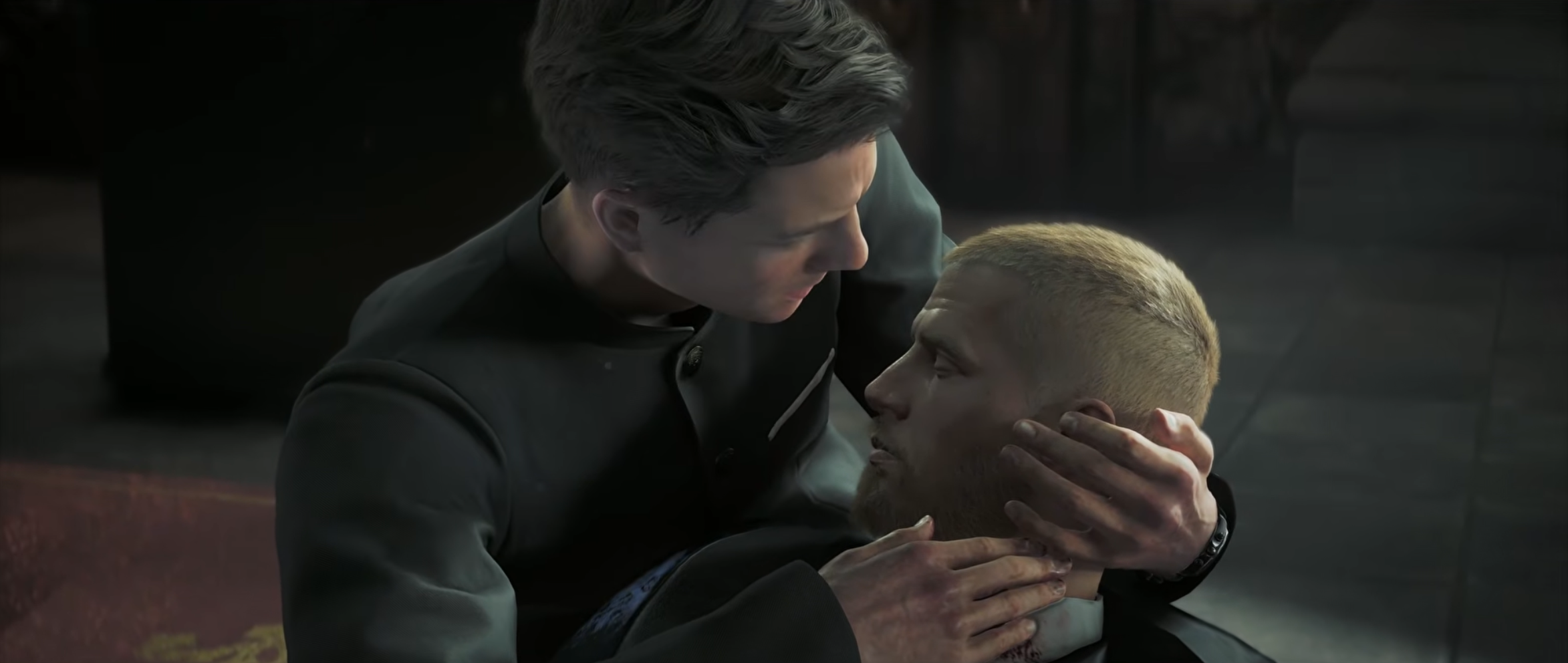
Monroe is an especially vital figure in Bond’s early development within the game. He represents the traditional, hyper-masculine military ideal that Bond is constantly measured against. Yet, the narrative subverts this by making Monroe the tragic catalyst for the story’s second act. During the Slovakia mission, Monroe is fatally stabbed by the Murto twins in an ambush that also triggers an explosion that severely injures Cressida. The loss of Monroe is devastating for Bond, propelling him into a rogue state of grief and determination. He visibly has tears in his eyes/ When Peter Hunt was directing the tragic ending of On Her Majesty’s Secret Service he made George Lazenby redo the take where he cried. James Bond, Lazenby was told doesn’t not cry. How times have changed.
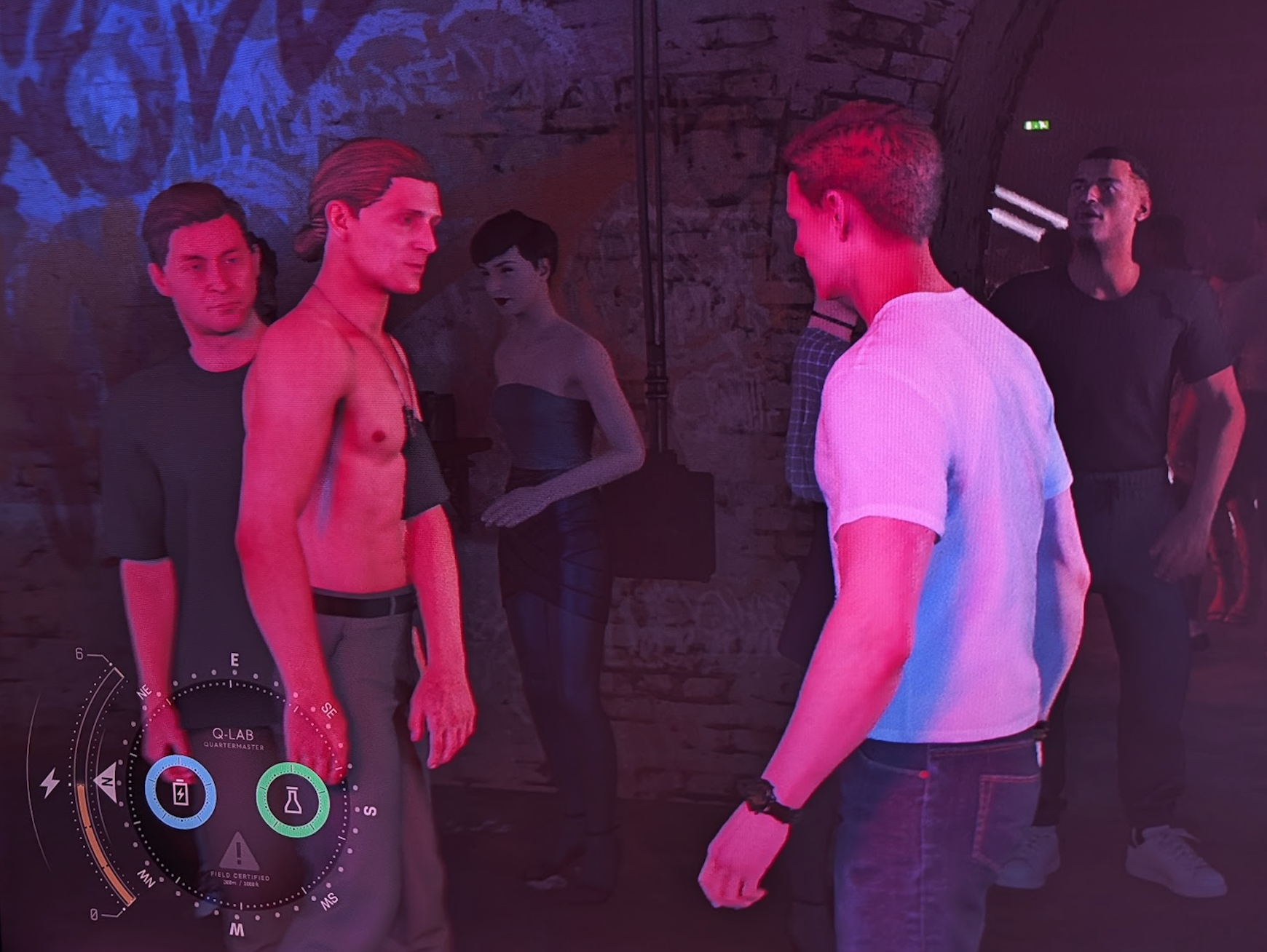
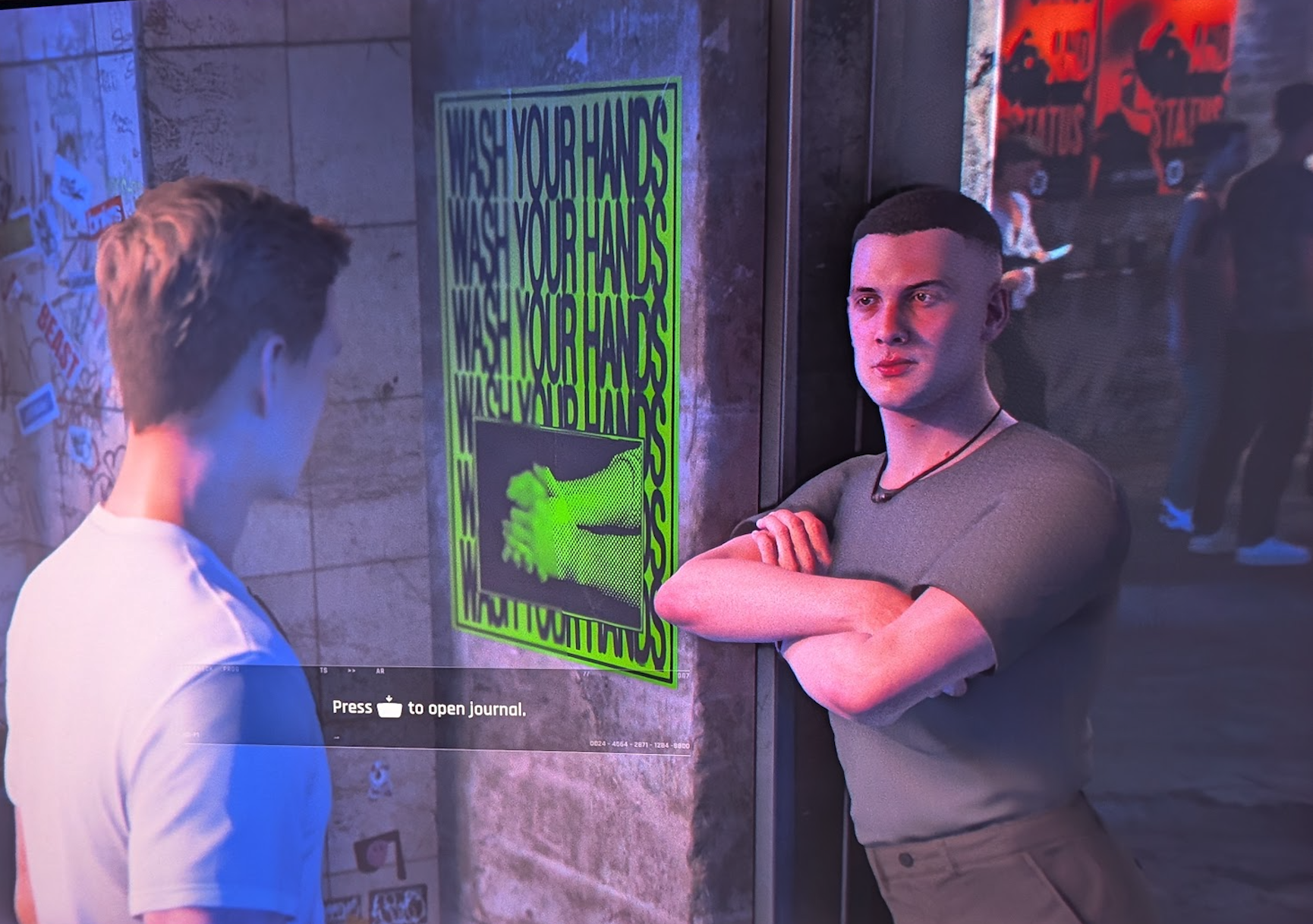
We don’t get to spend much time with the other Double Os before they are killed or missing in action. If we had seen more of Kristina Kingsley before she was blown up, would we have seen her in more masculine clothing? Was this a hint of lesbian coding? And what about Robert Nash, who is listed as missing…? As with Kingsley, we must be careful about inferring too much from Nash’s limited appearance in the game, and these are stereotypes of course. But in the nightclub scene his body language is noticeably more femme. My husband and me latched onto this immediately. If Nash returns in a future game, maybe we’ll find out if our gaydars were correct.
Q is fabulously stylish. While male dress codes have changed over the centuries, for much of the last century there were queer associations of men who were fastidious about their appearance. Even though this is the world of Bond, where clothing is fussed about endlessly, Q is exceptionally ‘fussy’. To use an old euphemism for gay men, he might even be said to be ‘light in his loafers’. Whether he is or not, I’m sure he has some lovely pairs of loafers.
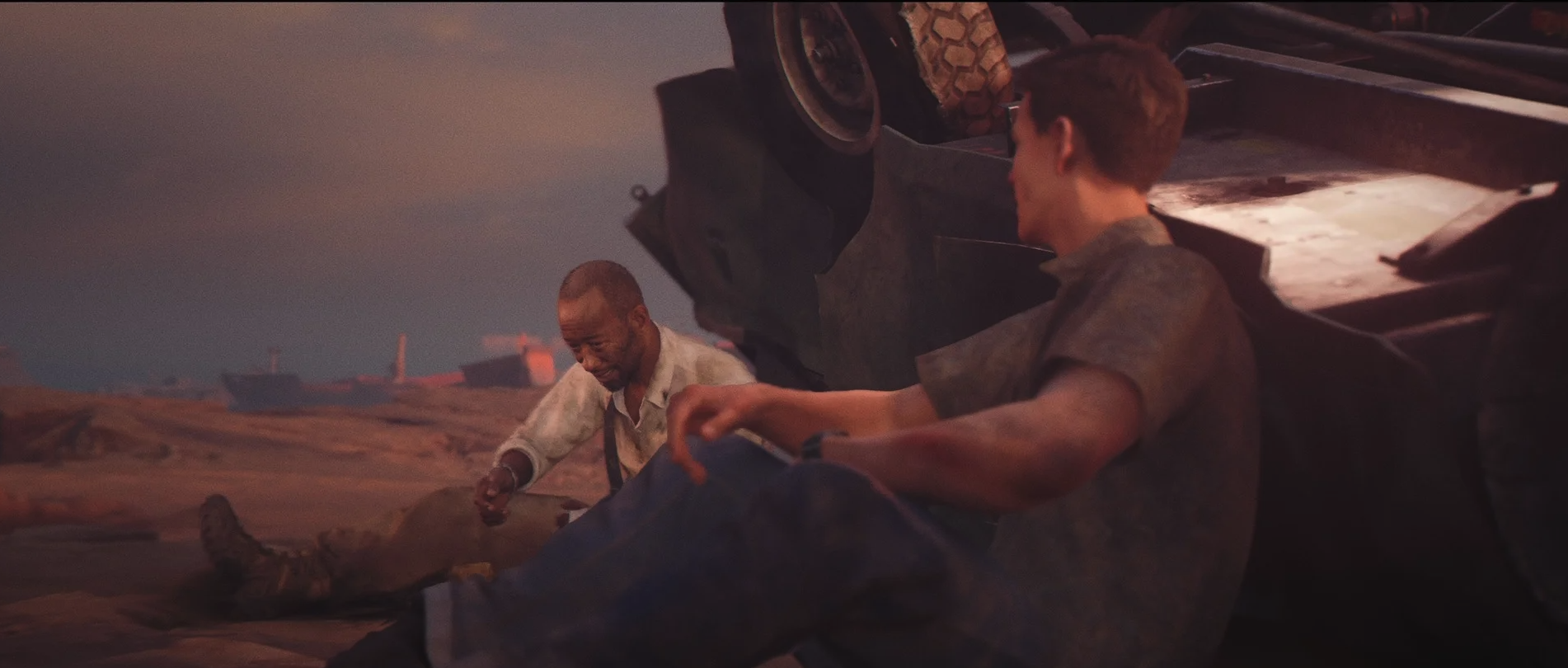
Then there is Bond's reluctant mentor, John Greenway, played by Lennie James. The relationship between the two men forms the emotional heart of the story. It mirrors the intense, arguably bromantic relationships Bond has historically shared with other Double Os, such as GoldenEye’s Alec Trevelyan (who was originally an older man in earlier versions of the film). Greenway's gruff exterior slowly giving way to a deep, protective affection for Bond provides a distinctly male intimacy that the films often gloss over in favour of traditional heterosexual romance. His final words, proclaiming that Bond's heroic nature is what truly defines him, seal their bond as the most significant emotional anchor in the game.
Shady characters: villains
The villains of 007 First Light are a fascinating bunch, leaning heavily into the franchise's long history of queer-coded antagonism. We have Sir Nicholas Webb and his son Damien, who operate as a toxically masculine father-son duo obsessed with their AI quantum supercomputer, THEIA. Toxic masculinity often conceals feelings of inadequacy. Perhaps the Webbs are trying to conceal more than their desire to control the world with technology.

But the real intrigue lies in their henchmen. The game introduces the Murto Twins, two deadly assassins who continue the rich, camp legacy of inseparable, synchronised male pairings in the Bond universe. From Wint and Kidd in Diamonds Are Forever to Grischka and Mishka in Octopussy, the franchise has always delighted in these subtly (and sometimes overtly) queer-coded duos. The Murtos slide perfectly into this lineage, executing their assignments with synchronised theatricality.
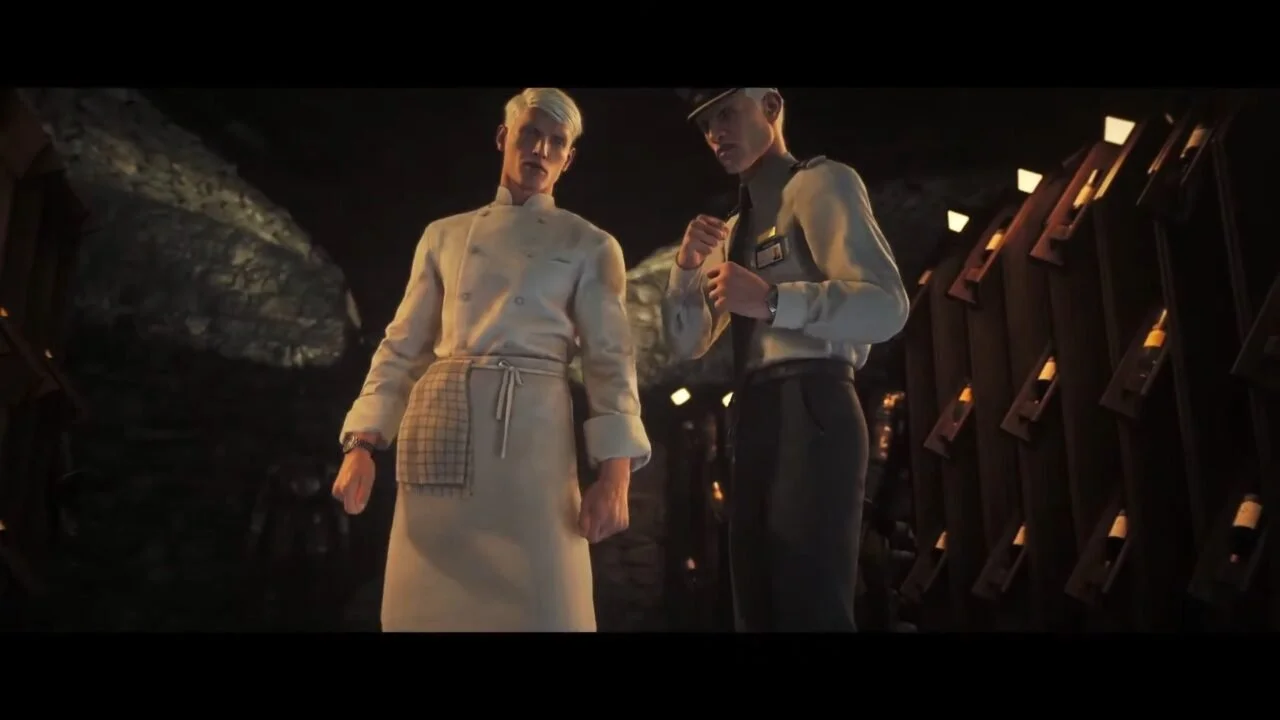
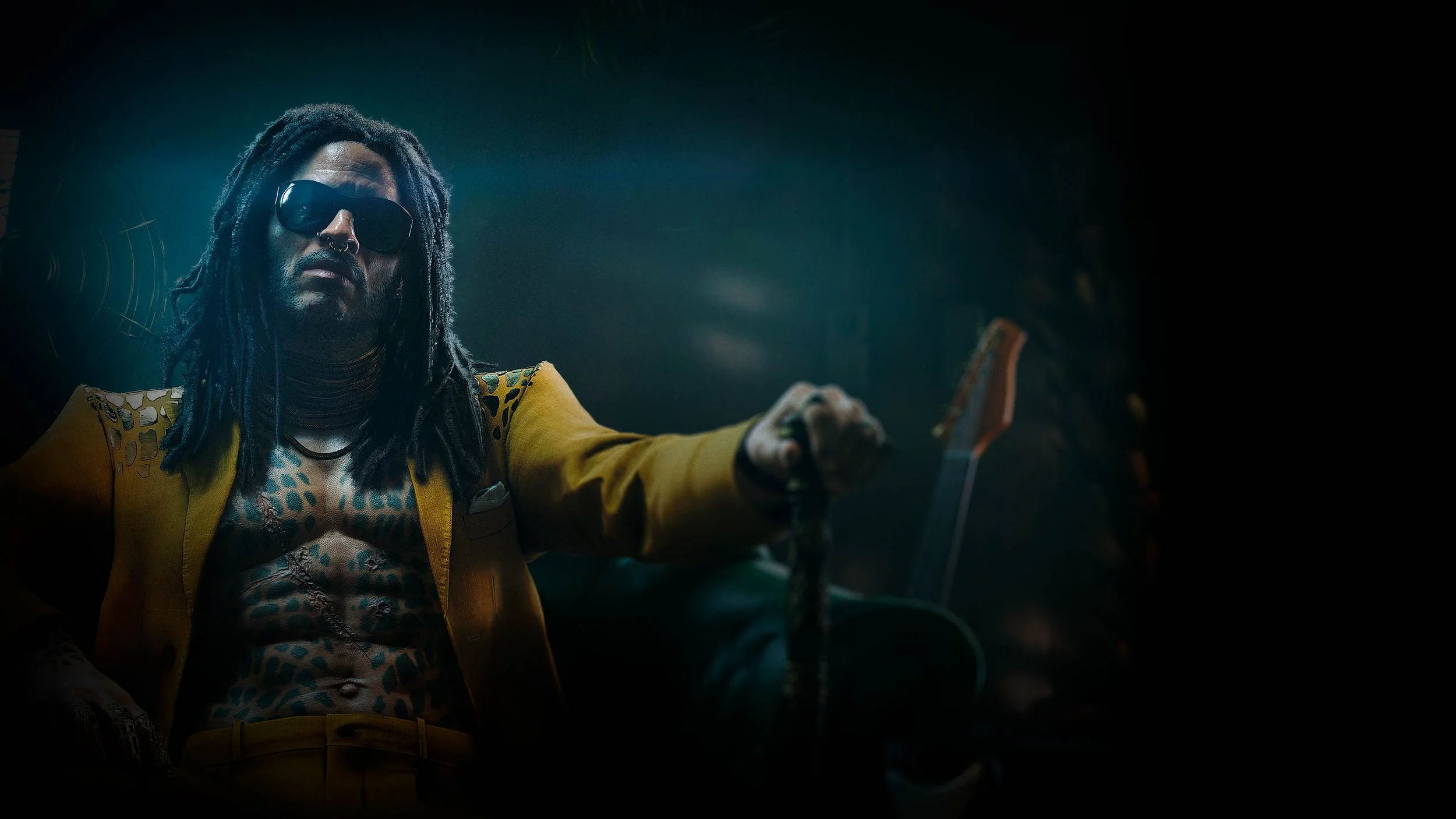
We also encounter Bawma, a flamboyant arms dealer played with relish by Lenny Kravitz, who brings a level of camp theatrics to the proceedings that feels entirely at home in the world of Bond.
However, the primary thematic antagonist of 007 First Light is the institution itself. The plot pivots on a massive betrayal: THEIA falsely identifies agents as moles, and Webb cleans up the mess to protect the reputation of his invention. Worse still, M is coerced by Webb into granting him immunity, forcing Bond and Greenway to go rogue. This theme of institutional betrayal echoes the narrative I unpacked in my queer re-view of Skyfall. In Skyfall, I noted how Bond's concept of 'home' and 'country' is shattered when he is betrayed by M. Patriotism slides into a complex, questioning stance, and Bond is forced to realise the limitations of his blind loyalty to Queen and Country. 007 First Light picks up this exact thread. Bond learns that the institution he is bleeding for (MI6) is fallible, compromised, and willing to sacrifice its own agents to protect corporate and governmental secrets. For queer audiences, who frequently find themselves at odds with established institutions, this narrative of systemic betrayal could strike a deeply resonant chord.
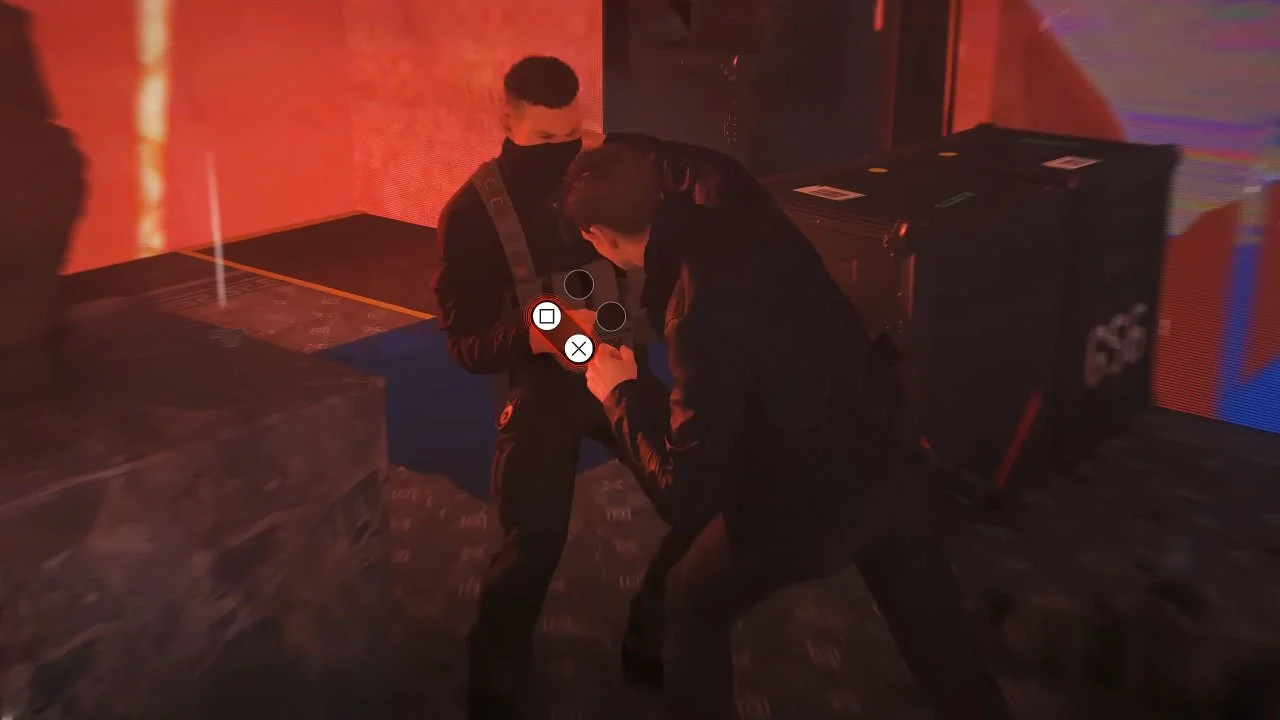
Furthermore, the villains facilitate one of the game's most unexpectedly queer mechanics: the close-quarters stealth takedowns. As Adrienne Shaw (2014) notes, marginalised players frequently carve out their own spaces of identification within mainstream media. When you are playing 007 First Light and you find yourself grappling with a heavily armed mercenary in a dark corner for a solid ten seconds to perform a non-lethal submission, the line between assassination and a passionate embrace becomes blurred. The physical intimacy of the stealth mechanics allows for a homoerotic tension that simply does not exist when shooting an adversary from long range.
You go gurls!
When it comes to the women of 007 First Light, IO Interactive's promise to avoid outdated tropes yields interesting results. Isola Vale, played by Noémie Nakai, is the game's primary female lead, but she is anything but passive. A professional thief masquerading as a French agent, Vale consistently outpaces Bond at every turn.
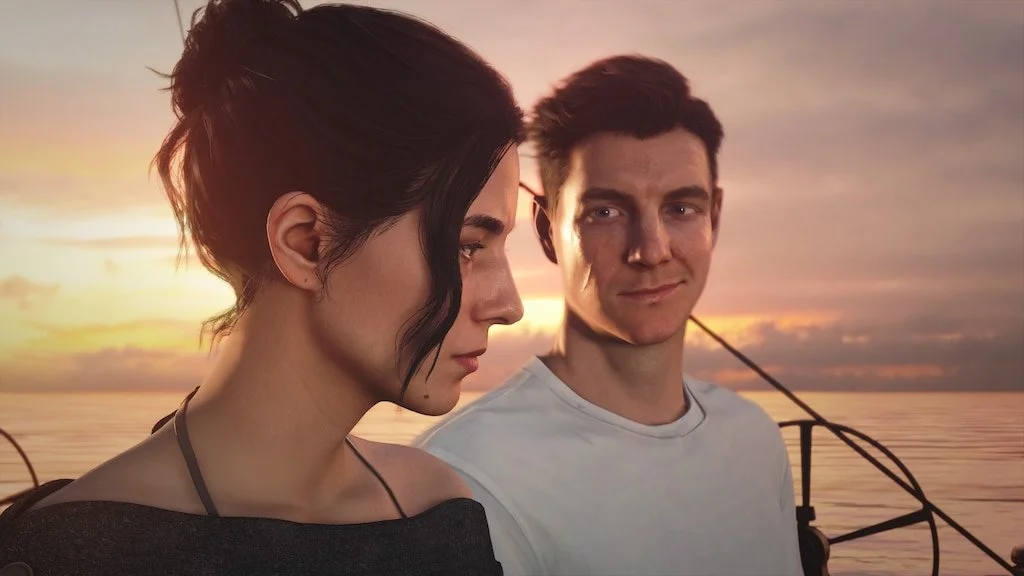
Like many of the best Bond Girls, Vale possesses total agency. During the game's climax at the Webb facility in Antarctica, it is Vale who rescues Bond from Damien. She then proceeds to shoot the main villain, steal the THEIA core for herself, and make off with it—but not before planting a kiss on our hero as she saves him from a flooded reservoir. She completely subverts the traditional narrative flow, leaving Bond entirely in her wake. She isn't a trophy to be won; she is an agent of her own destiny.
Bond’s fleeting liaison with scientist Theresa Lorca does contain an exchange which opens up queer possibilities. In a partial echo of the “What makes you think it’s my first time?” dialogue in Skyfall, Lorca asks Bond what kind of drink he would like: “You like it straight up?”. Bond replies: “I’ve been known to experiment.” Oooh James!

We also have Gemma Chan appearing as Selina Tan, an expert in psychology and game theory, and the aforementioned Cressida Bright. While Cressida's trajectory ultimately serves as emotional motivation for Bond, her early presence in the gruelling 00-training programme dismantles the notion that the world of high-stakes espionage is an exclusively male domain.

Camp (as Dr. Christmas Jones)
Does 007 First Light meet Susan Sontag’s criterion for being Pure Camp? That is, do the game creators realise they are being camp or is it camp unintentionally?
The game's overarching narrative presents a serious tech-thriller narrative, exploring AI utopias, predictive algorithms, and the morality of the surveillance state. But camp, like a theatrical villain in a subterranean lair, always finds a way to surface.
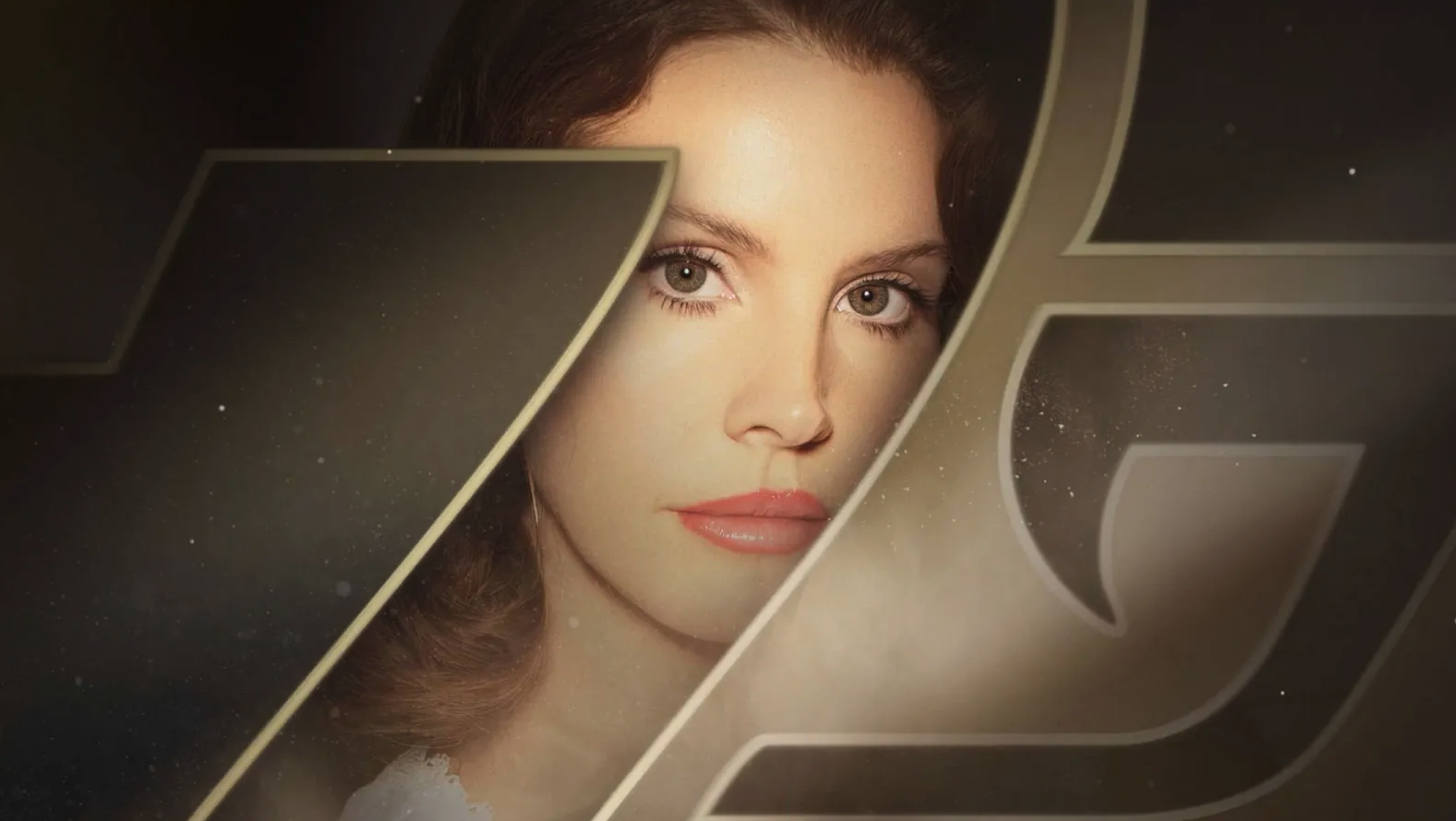
We simply cannot talk about camp without addressing the game's musical centrepiece. The title song, a sweeping, melancholic collaboration between veteran Bond composer David Arnold and modern queer icon Lana Del Rey, is an masterstroke of melodrama. Lana Del Rey has long cultivated an aesthetic of tragic, mid-century cinematic glamour, making her the perfect voice for a franchise built on exactly those foundations. Her languid, breathy delivery over Arnold's soaring orchestral arrangements injects the game with a heightened, almost drag-like theatricality. It is a song that knows exactly what it is doing, dripping with the sort of doomed, glamorous romance that queer audiences have historically devoured.
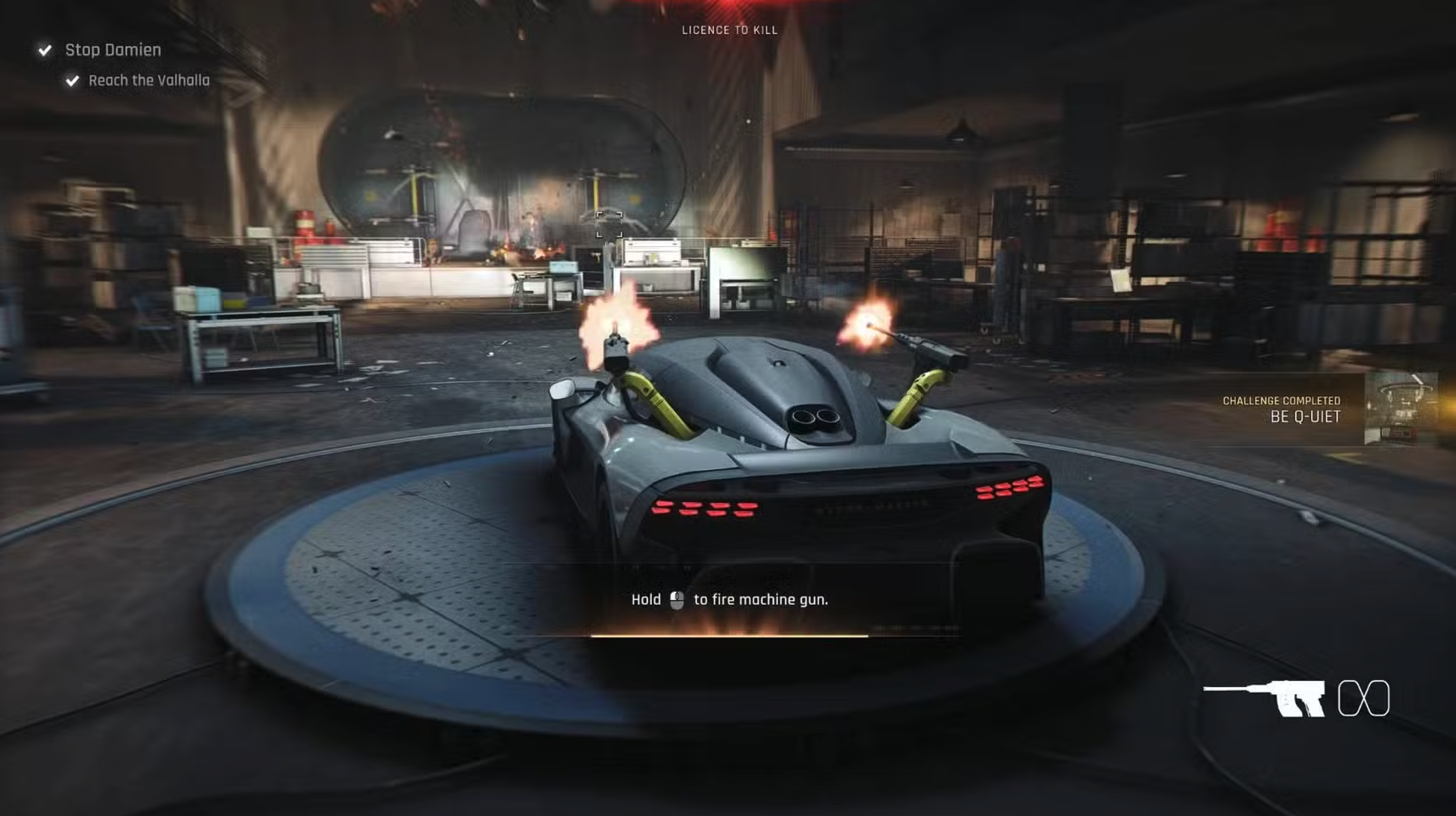
The sheer melodrama of John Greenway’s dying words is wonderfully theatrical. And then there is the climax, where Bond dispatches Damien Webb—who is stomping around in a elaborate exo-suit—by crushing him under a network of industrial pipes in a sewer reservoir. Driving a customised Aston Martin Valhalla through a subterranean drainage system to fight a man in a mechanised suit brings us firmly back to the glorious, campy excess that makes James Bond so enduringly enjoyable.
Queer Verdict
007 First Light offers a rich playground for queer analysis. By handing us the controller, it gives us the power to direct the gaze, explore liminal spaces, and make James Bond as queer as we want him to be.
Queer Verdict: 3/4/5 out of 007 (Depending on how you queerly you play it!)
References
Murray, J. H. (1997). Hamlet on the Holodeck: The Future of Narrative in Cyberspace. Free Press.
Ruberg, B. (2019). Video Games Have Always Been Queer. New York University Press.
Sontag, S. (1964). "Notes on 'Camp.'" The Partisan Review, Fall 1964.
Shaw, A. (2014). Gaming at the Edge: Sexuality and Gender at the Margins of Gamer Culture. University of Minnesota Press.