Redefining safe sex: James Bond and the fight against HIV/AIDS
Of all the fantastical elements of the James Bond franchise, it’s our amorous agent’s largely consequence-free sex life that strains credulity the most. The creators of the next 007 instalment would be wise to reflect modern day reality in at least one regard: we need to see him enjoying sex safely and responsibly.

Would it really shatter the fantasy if we were to see James Bond putting on a condom? Granted, the PG-13/12A rating might be harder to attain were we to be shown rather more of 007 than we have hitherto seen before. But a tastefully directed (from the waist up) scene of Bond doing more to protect himself than stick a Walther under his pillow would be a positive move in keeping more people negative. HIV negative, that is.
Let’s be clear from the outset: acquiring HIV is nowadays not the end of the world for people living in more economically developed countries. With the correct treatment, people can live long, healthy lives without the fear of passing the virus to sexual partners. People with undetectable viral loads can have children without worry of transmission. Yet despite these advances, we still have a long way to go to beat the stigma surrounding HIV. And in the words of the World Health Organisation, “HIV remains a major global public health issue.” Many countries simply do not have access to life-saving treatments. The WHO estimate HIV has claimed over 44 million lives to date. In 2024 alone, a further 1.3 million acquired the virus and 630,000 people died from HIV-related causes, including AIDS.
HIV transmission is preventable. The UK government has an ambition to end transmission of HIV as early as 2030. And while it would take a massive concerted effort to end transmission internationally, surely James Bond could do his bit? Having James Bond explicitly acknowledge the steps he takes to have sex safely would hardly have the same impact of adequate funding of HIV-prevention. But it would be a step in the right direction - and one that is long overdue.
‘Johnny’ English
It was around the time that HIV was confirmed as the cause of AIDS that Bond continuation novelist John Gardner was repeatedly attempting to stick a ‘Johnny’ on everyone’s favourite English superspy in his books. Writing throughout the 1980s and early 1990s, he was concerned about the influence James Bond had on young male readers. He was concerned that slavishly following Bond’s example would lead them to ignore public health warnings about condom-usage. Unfortunately, Gardner was overruled by his publishers, even when he tried to make Bond wear a brand of condom which featured three gold bands, like his custom-made cigarettes. Goldmember, indeed!
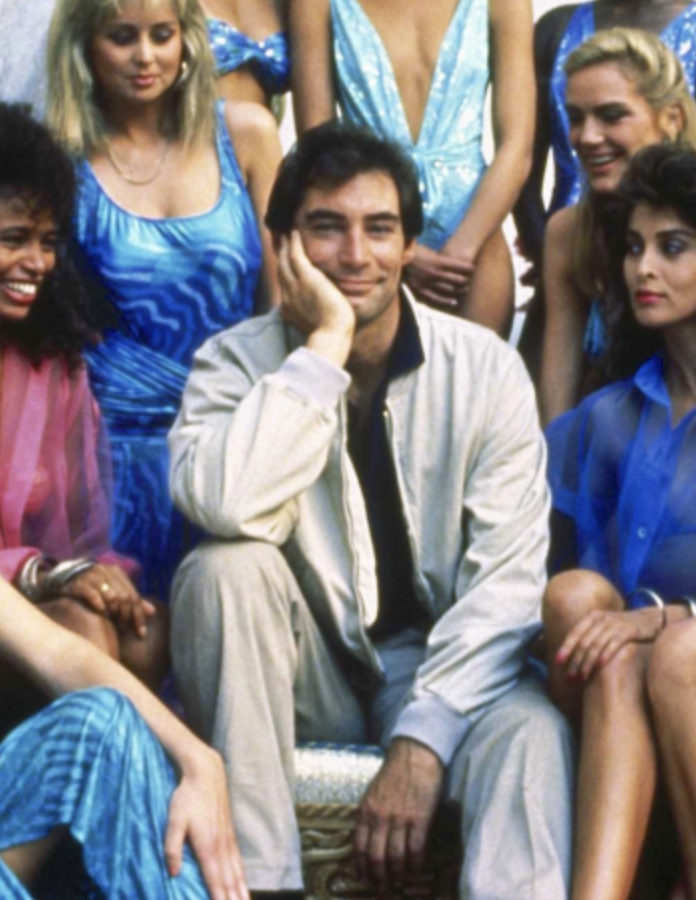
Famously, the Bond films of the late 1980s reflected the anxieties of the period by having Bond sleep with fewer women. Less obviously, this cautiousness extends to the costuming. It wasn’t until a friend pointed it out to me during a screening of The Living Daylights at the BFI that I noticed how loose-fitting much of the men’s clothing was in the film, concealing their bodies and making them less obviously objects of lustful gazes. The notable exception is Necros, who wears a very tight pair of blue swimming trunks. But perhaps he’s the only male character who is permitted to wear something revealing because he’s coded as asexual (NB: to my asexual readers, I can only apologise on whoever’s behalf for this less-than-stellar representation).
Death for breakfast
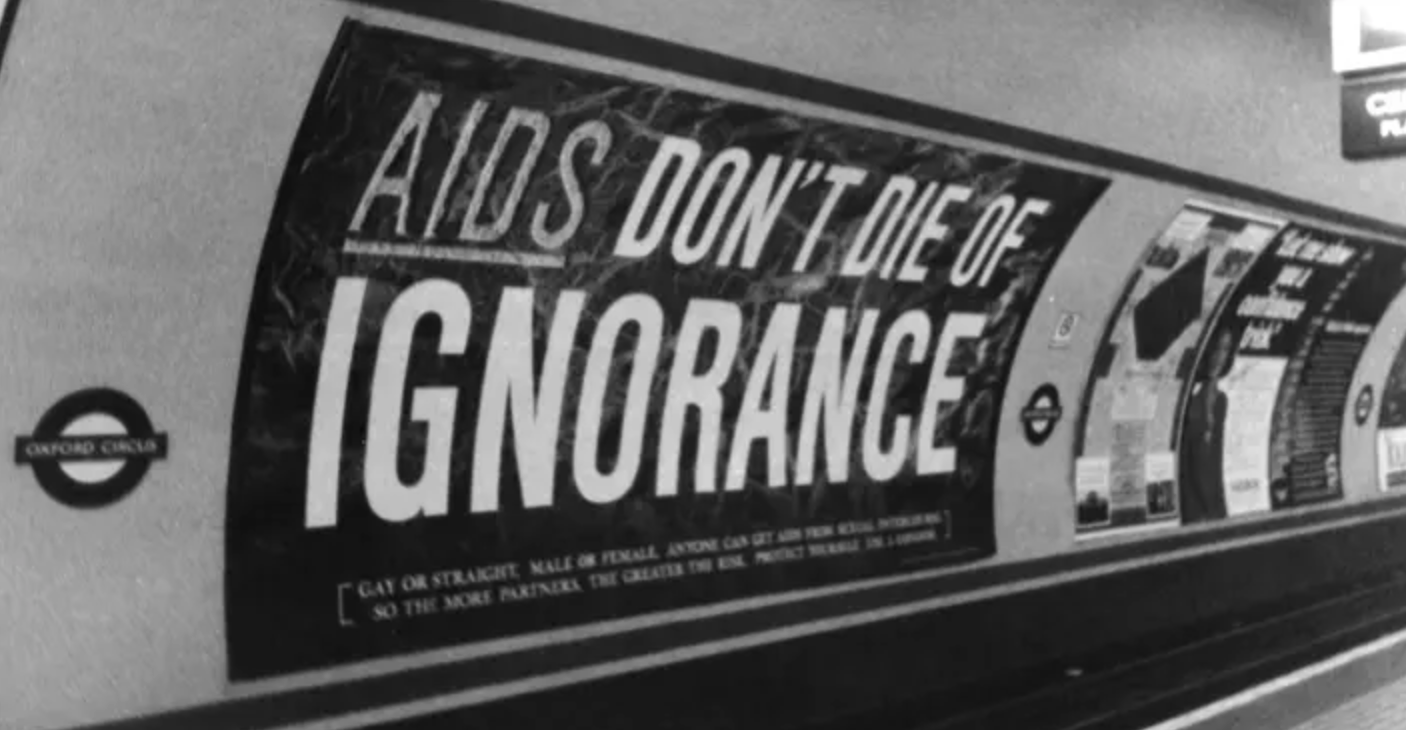
Many people picture the 1980s when they think of HIV/AIDS but it wasn’t until 1994 that AIDS deaths and diagnoses peaked in the UK. I was 12 years old and utterly terrified. TV adverts equated sex with death. School sex education lessons equated sex with death. To be fair to my teachers, I don’t recall any of them ever perpetuating the myth that AIDS was a ‘gay disease’, but that was possibly only because they weren’t allowed to mention anything about being gay. No wonder that, as a 12 year old, a life of celibacy seemed preferable to putting myself at any kind of risk. I know I’m far from being the only gay person of my generation who took a long time to work out all their hang ups about sex. I’m really surprised that these hang ups still hang around for people much younger than me. Shame is insidious and takes generations to undo.
Back in 1994, the only thing in my life that didn’t equate sex with death was James Bond. Well, as far as James Bond himself was concerned. Many of the women reach a fatal end not long after bedding 007. But the ‘death for breakfast’ trope is more of a narrative convenience than a commentary on epidemiology. The focus is mostly on James Bond’s pleasure, although the taking of that pleasure is not always without its risks. GoldenEye upped the ante for Bond femme fatales considerably with Xenia Onatopp. The scene in which Bond fights off her advances in the sauna culminates is the only explicit reference to “safe sex” in the franchise, a reference - albeit coded - to the ongoing HIV/AIDS epidemic.
Sex for dinner
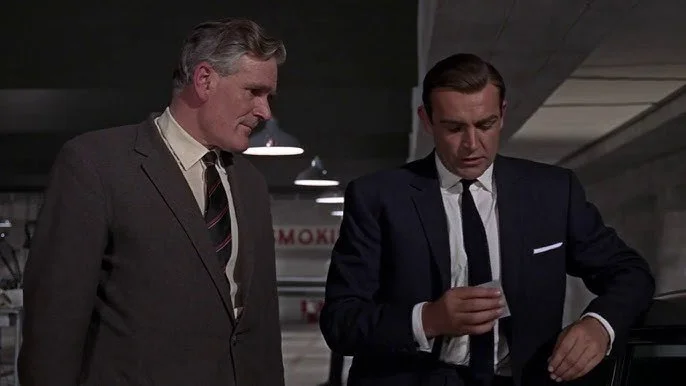
On the whole, the James Bond franchise is a commendably sex positive one. Compare this with the competition, such as the frustratingly chaste Marvel series. Bond having an energetic sex life is what sets him apart from most heroes, who only ‘get the girl’ after defeating the villain. 007, on the other hand, usually has time to stop off for at least one quick one en route to the grand finale (surely it’s not just me who has always interpreted that line in Goldfinger in to two different ways?).
In the Daniel Craig era, we didn’t make any headway in the promotion of enjoying sex responsibly. Here, the consequences of Bond’s conquests were mostly of the emotional variety. True, he did unintentionally create a child in No Time To Die. But STIs of any variety didn’t enter the picture, unless you dig through layers of metaphor. We could look figuratively at the various attempts to put restrictions on Bond’s behaviour with tracking devices (Casino Royale, No Time To Die) and smart blood (Spectre). And maybe - at a stretch - No Time To Die’s nanobots are an elaborate HIV metaphor. But I’d really like to believe this is not the case, especially when you consider where this could lead us: acquiring a virus leads to cutting yourself off from your family and ultimately to self-destruction… yeah, I’d rather leave this interpretation to one side, thanks.
It’s not that I can’t imagine Bond getting a STI of some kind. Let’s be honest, this is almost certainly one area where Bond - were he a real person - would not have been able to beat the odds forever. And were Bond to acquire what, for centuries, has been colloquially known as ‘The Clap’ (among many other appellations, testifying to its prevalence), it would be a very Fleming thing for Bond to experience. Ian’s own case of gonorrhea as a young man ended his nascent military career, although being chucked out of Sandhurst was hardly something he was cut up about. And the experience only put a crimp in Fleming’s sex life for as long as the antibiotics took to take effect.
Licence to pill
The new Bond film is an opportunity to show our hero as a modern man. This is not without its complications. The furore which attended Charlie Higson merely making Bond mindful of his gut health in On His Majesty’s Secret Service is a testament to that. And if the producers think having Bond stick on a condom is a bridge too far, what about showing him taking other precautions?
Safe sexy can be sexy. Picture Bond’s morning routine…
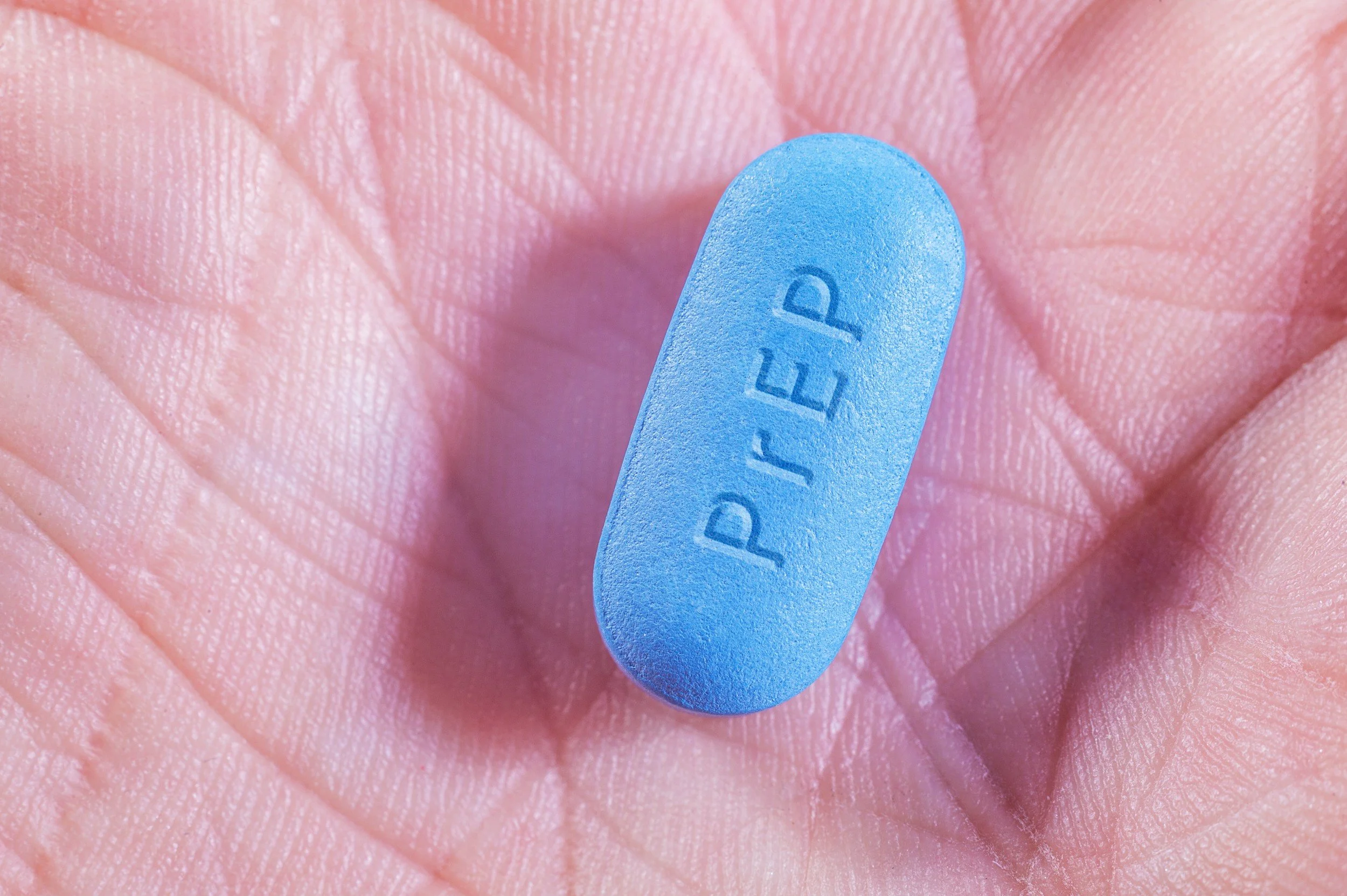
We get to witness this frequently in Fleming but never - yet! - on screen. After his coffee drinking (very black), breakfast eating (figs, eggs… and more eggs) and his ablutions (bath essence from Floris), we see Bond popping a blue pill. Not that kind of blue pill - the other one. I’m talking about Pre-Exposure Prophylaxis, aka PrEP. As a UK citizen who has condomless sex with plentiful people without knowing their HIV status, Bond would be able to get PrEP for FREE on the NHS. While taking PrEP won’t protect you against things like gonorrhea, chlamydia and syphilis, it is more than 99% effective against HIV transmission. As the NHS put it: “PrEP works by stopping HIV from getting into your body and making copies of itself (replicating). PrEP can be used by anyone from a community or group that is most at risk of HIV.” 007 is most definitely eligible.
Far from being a blunt instrument in the fight against HIV, PrEP is fundamental to the UK government plan to end transmission and has had a life-changing impact on so many people already. Its usage is predicted to grow exponentially, both in the UK and internationally. At some point, it will seem odd that James Bond isn’t a PrEP user. Perhaps we don’t need to see him taking the tablets on screen. Perhaps we might just assume Bond takes precautions of the prophylactic variety, just as we assume there’s always a pistol tucked under his pillow. But imagine the impact of seeing Bond - for once - take his sexual health seriously…

Sidenotes
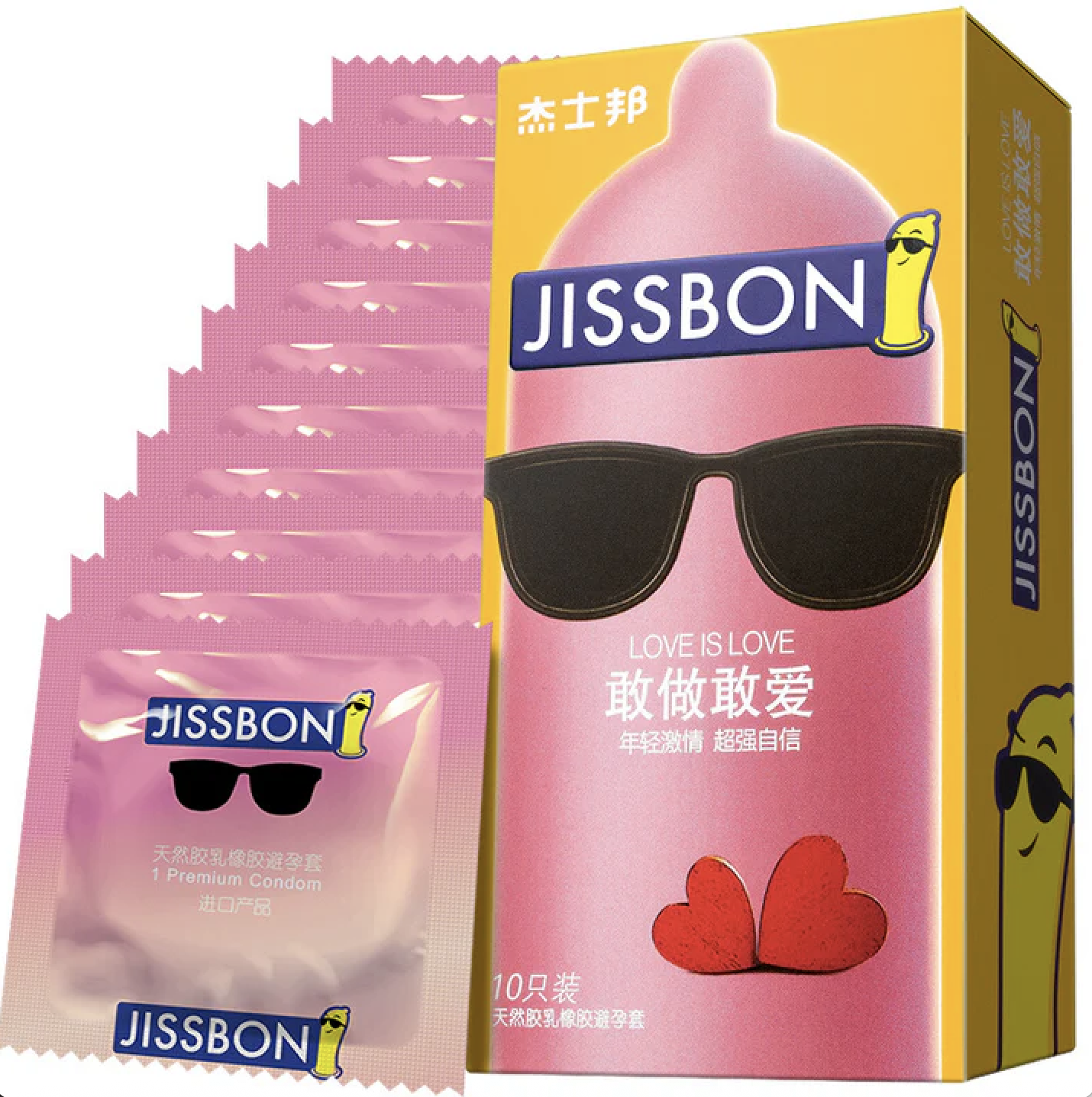
There is already is a James Bond condom in China. The borderline copyright breach brand ‘Jissbon’ is named - phonetically, hilariously - for the character, exploiting the spy’s reputation for sexual exploits.
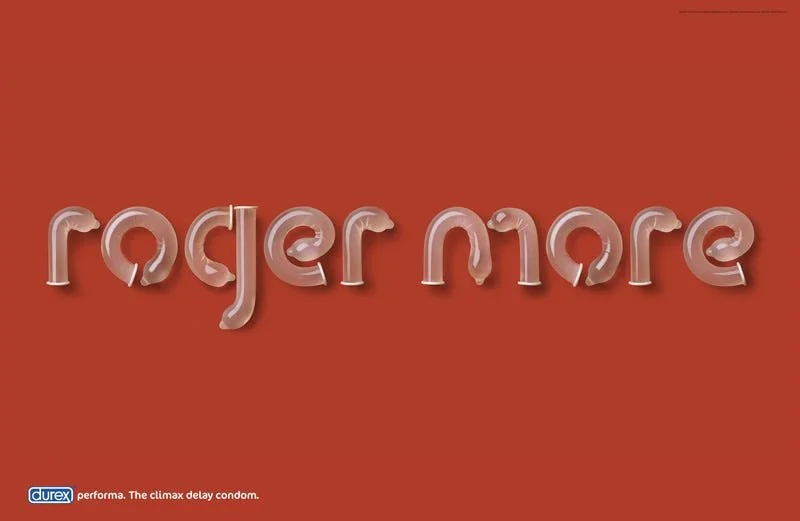
Leading condom brand Durex had to withdraw an advert in 2003 after four people complained it was too rude. The ad played on the name of a beloved Bond actor.